About the database

PackinHeat

Not just a list of peppers — it’s about appreciation, recognition, and making sure the passion behind these plants doesn’t get lost. Every pepper has a past. This database keeps those paths visible.

01
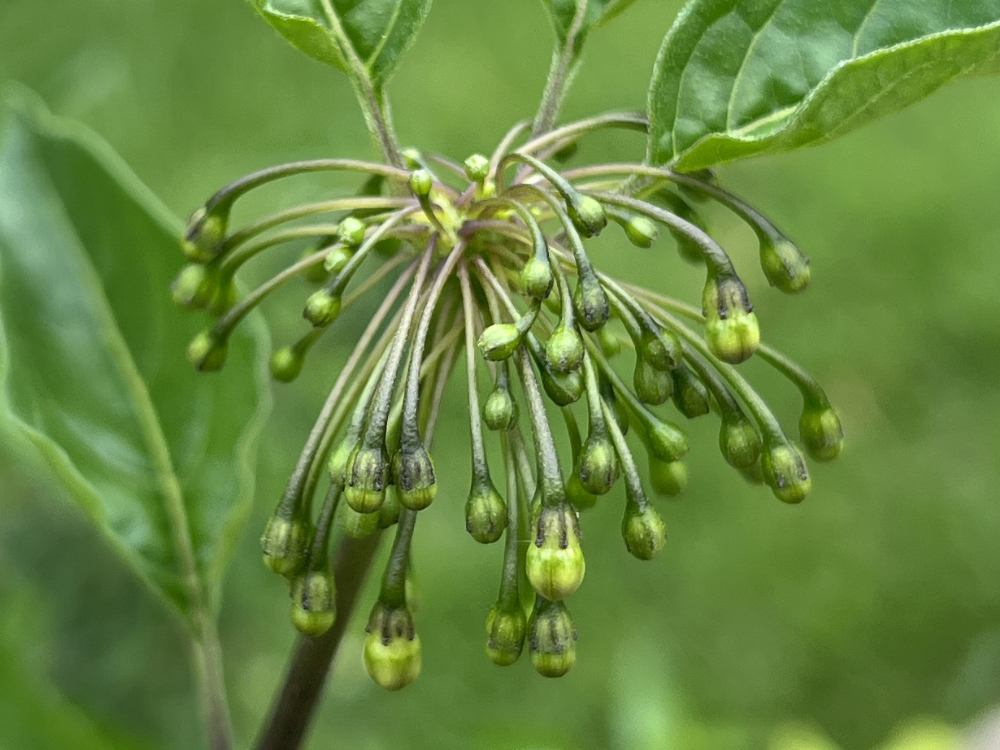
Wild pepper plant
Origins

A plant shaped by time

Long before peppers were grown, traded, or named, they existed only as wild plants. Capsicum evolved in the Americas nearly seventeen million years ago, shaped entirely by landscape and time.

Wild peppers grew where they could survive — in forests, along rivers, across hillsides and open ground. Heat was not flavour. It was defence. Capsaicin discouraged mammals while leaving birds untouched, deciding who could eat the fruit and who could not.

Over millions of years, this single trait influenced colour, size, shape, and pungency. Many of these wild peppers still exist today. They are not precursors waiting to be improved. They are complete outcomes of survival.
Scattered and solitary, wild peppers inhabited pockets of the Americas for millennia untouched by human hands.
02

Those who cared enough

At some point, wild peppers crossed a line. They stopped being only something found, and became something kept. Archaeology shows peppers were being used by people thousands of years ago.

Over time, multiple Capsicum species were domesticated in different parts of the Americas. After European contact, peppers spread rapidly through trade routes into Europe, Africa, and Asia, where they were adopted into local farming and food cultures.

In each region, growers selected what performed well in their conditions. In more recent history, the relationship between people and peppers became easier to follow because more of the work was recorded — names, dates, locations, and selections instead of letting them fade.

In choosing which seeds to plant, people wrote the future of peppers with their own hands.
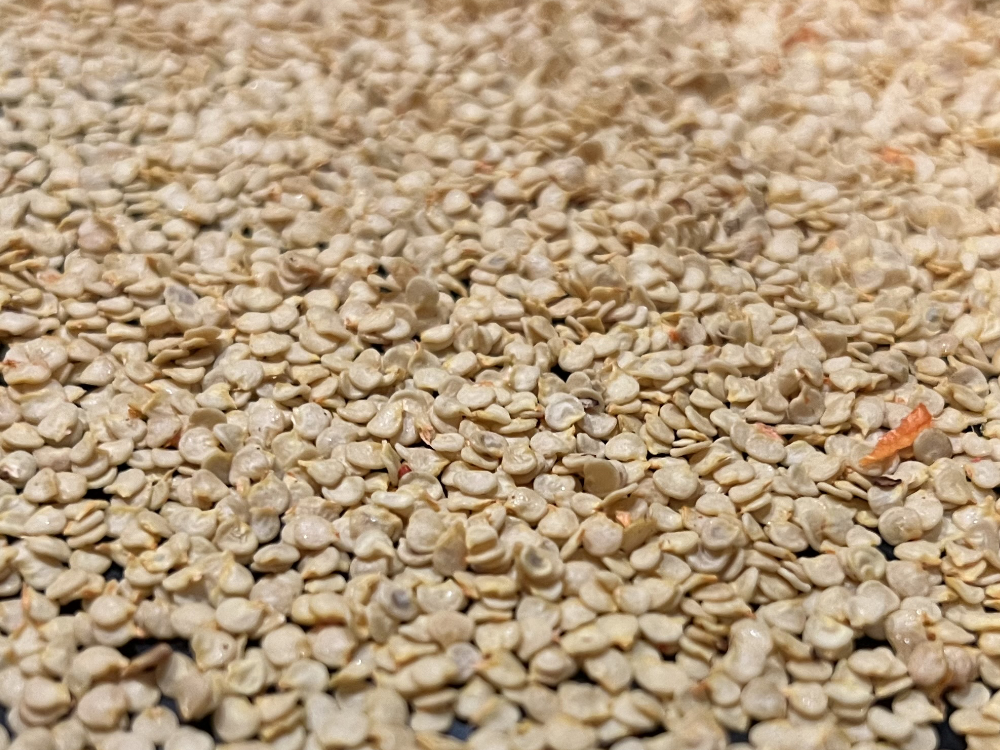
Capsicum seeds
Cultivation
03
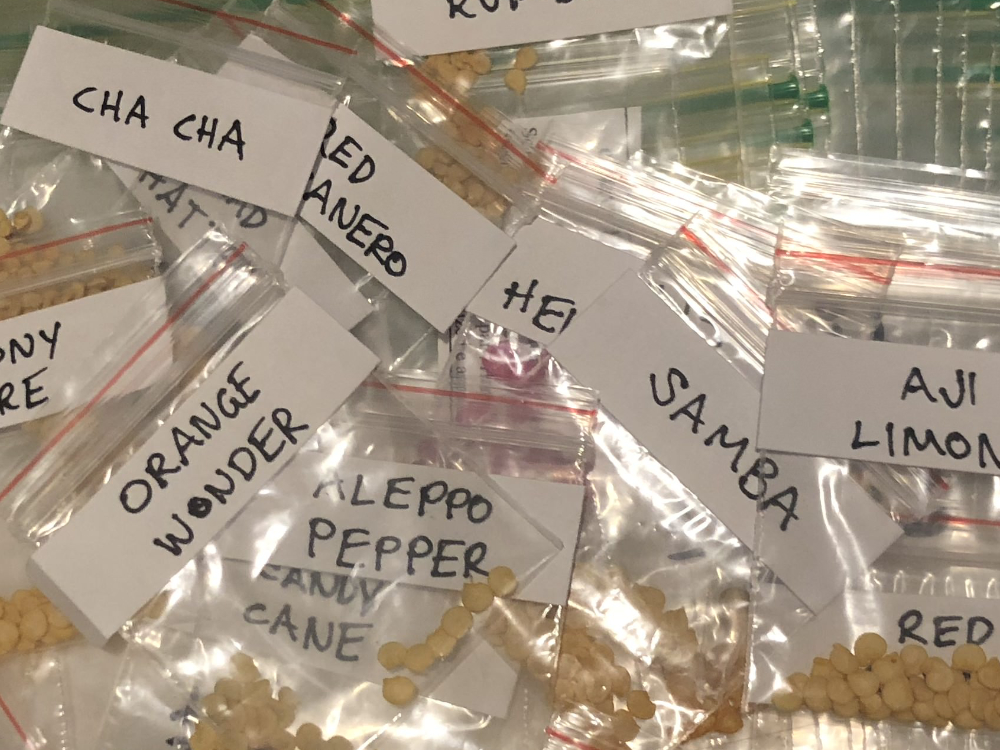
Saved seeds
Preservation

Keeping the history

Pepper history rarely lives in one place. It is scattered across notebooks, seed packets, old catalogues, photos, emails, and forum posts that slowly vanish. Names shift as seeds change hands.

Details fade, even as the plants themselves continue to grow, season after season. This is where records matter. When names, origins, lineage notes, and observations are kept together, a pepper stops being just something passed along and starts becoming something understood.

Packin Heat DB exists to hold that information in one place — so when someone grows a pepper or opens a packet of seed, they are not starting from nothing.

Centuries of naming, breeding, and obsession distilled into packets. Each one a story, a choice, a legacy.

Plants matter. People matter.
History matters.

Let’s keep it together.