Capsicum eshbaughii
Bolivia's elusive ulupica
Some wild peppers feel almost mythical. Capsicum eshbaughii is one of them.
This is not a species with a huge range stretching across South America, nor one that turns up easily in seed catalogues or backyard collections. Capsicum eshbaughii is a narrow endemic from Bolivia, tied closely to the Samaipata region and surrounding high valleys, where it survives in a very specific pocket of habitat. That alone makes it fascinating. It is a wild chilli with a small footprint, a distinctive look, a strong local identity, and a story that sits somewhere between botany, culture, and conservation.
Etymology
The species name eshbaughii honours Dr William H. Eshbaugh, one of the most important names in the study of wild Capsicum. It is a fitting tribute, because this is exactly the kind of plant that reveals more the closer it is studied. It spent years being noticed, compared, and discussed before eventually being recognised for what it was.
Locally, though, this species lives under a more immediate and grounded name: ulupica. That local name matters just as much as the formal Latin one. It places the pepper in everyday life rather than only in taxonomy. It reminds you that long before many chilli growers ever heard of Capsicum eshbaughii, people in Bolivia already knew the plant, recognised the fruit, and used it.
Taxonomy
Capsicum eshbaughii was not always recognised as a separate species. It was originally treated as Capsicum eximium var. tomentosum, which reflects how closely related it once seemed to C. eximium. Over time, though, the differences became too consistent to ignore.
In 2011, Gloria E. Barboza formally recognised it as Capsicum eshbaughii. That shift mattered because it confirmed this was not just a local form of something better known, but a distinct species with its own morphology and its own identity within the genus. The more closely botanists looked at it, especially its dense glandular pubescence and unusual calyx structure, the more clearly individual it became.
Ecology and habitat
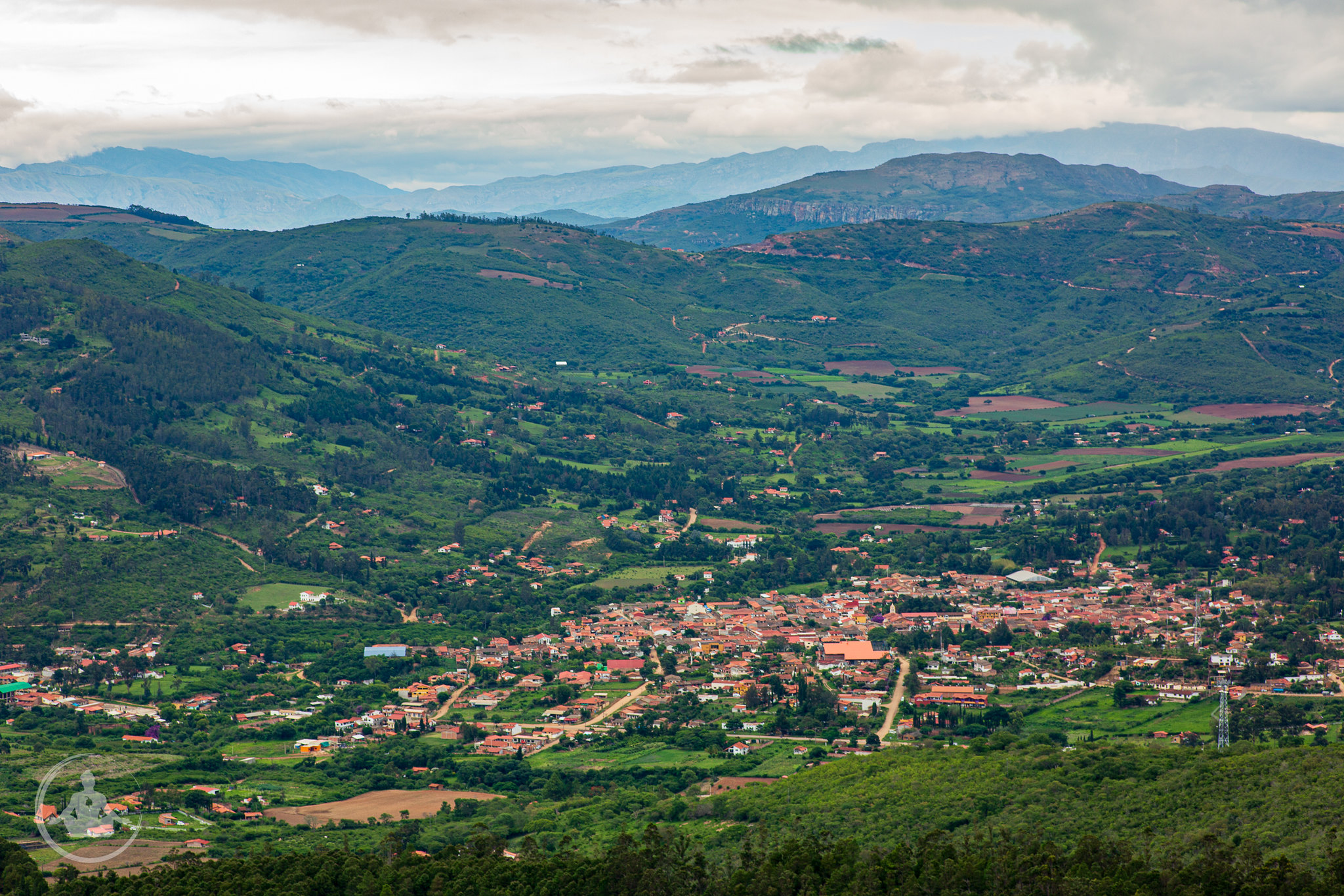
What gives Capsicum eshbaughii so much of its pull is how tightly it is tied to place. This is not a wild chilli with a huge natural spread. It is associated with the Samaipata region and nearby high valleys of Bolivia, which gives it a much smaller world than most people expect when they think of wild peppers.
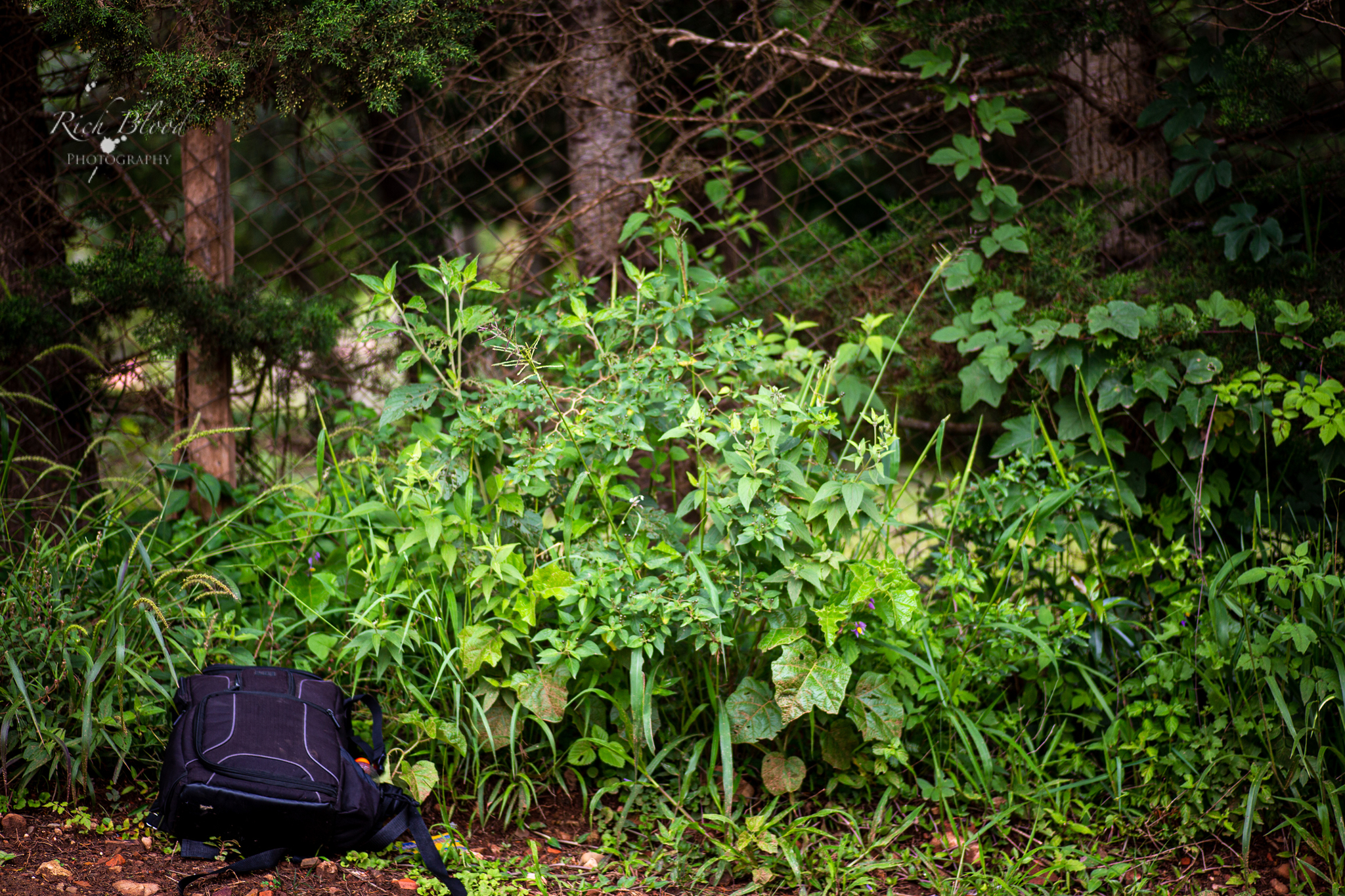
That small range changes the feel of the species entirely. It makes it feel intimate, local, and vulnerable all at once. A pepper like this does not belong to a continent in the broad romantic sense. It belongs to a very particular landscape, with its own climate, vegetation, roadsides, slopes, fences, and human pressures.
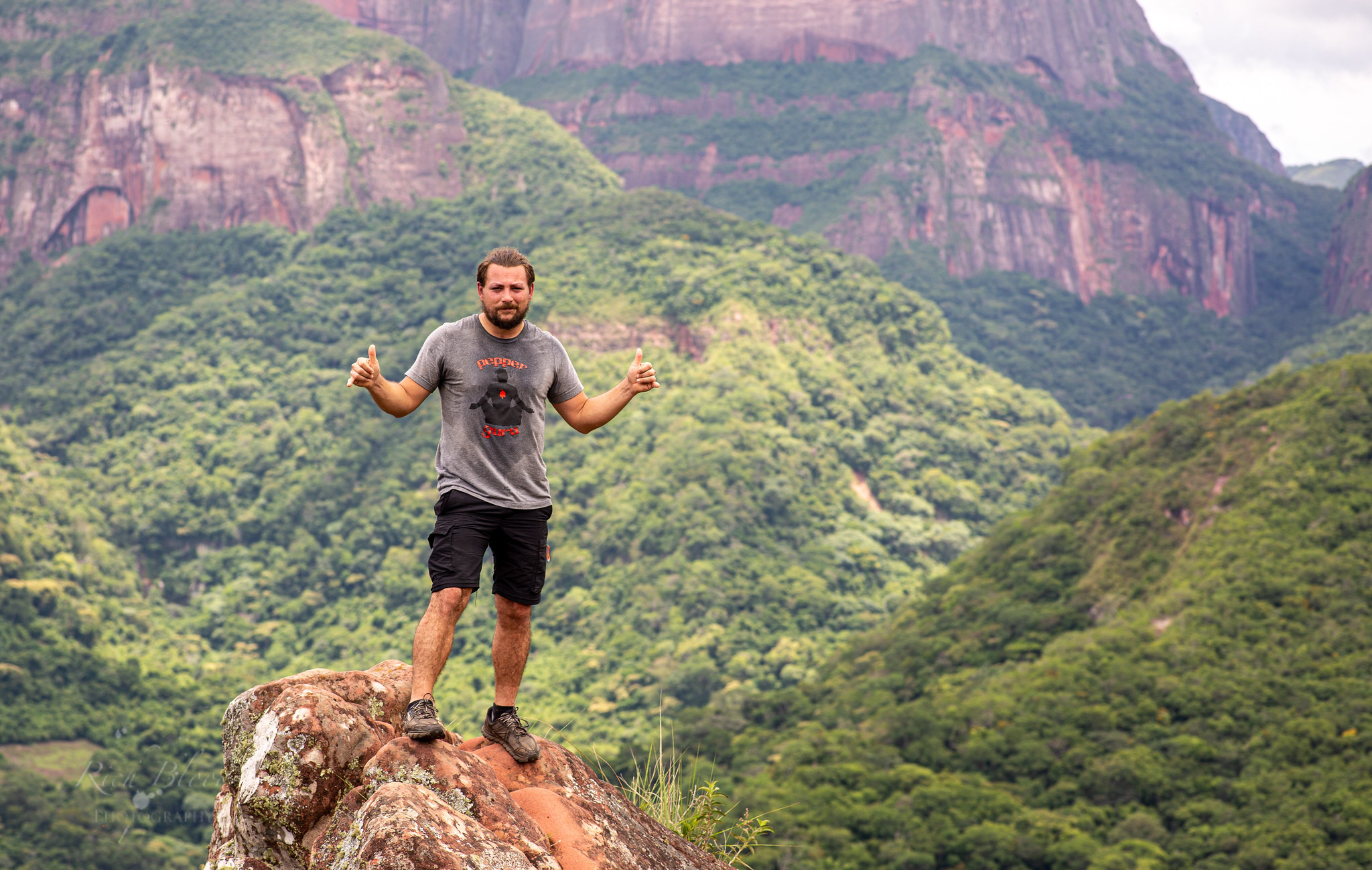
That is part of what makes the field observations from Rich Blood of Pepper Guru so useful. His footage and writing help pull the species out of dry literature and place it back into the real world, where it can be found along roadside fence lines, in partial shade, and in disturbed habitat near Samaipata. That does not make it feel less special. If anything, it makes its existence feel more immediate and more precarious.
Morphology
This is not a polished or ornamental pepper. Capsicum eshbaughii grows as a shrub or subshrub with a loose, tangled, heavily branched habit. The branches are thin and fragile, and the plant often looks a little unruly, as though it has been shaped more by survival than by symmetry.
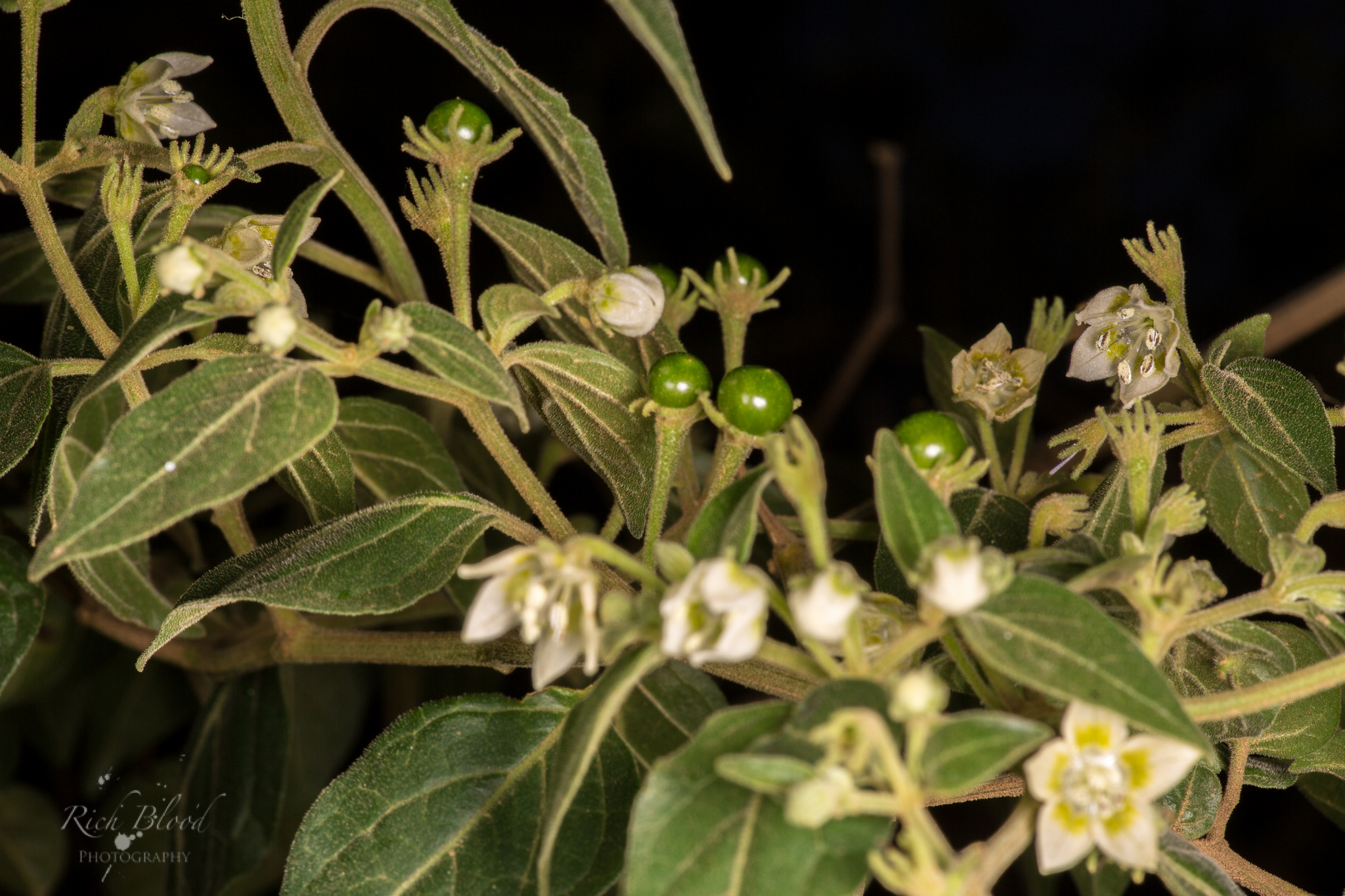
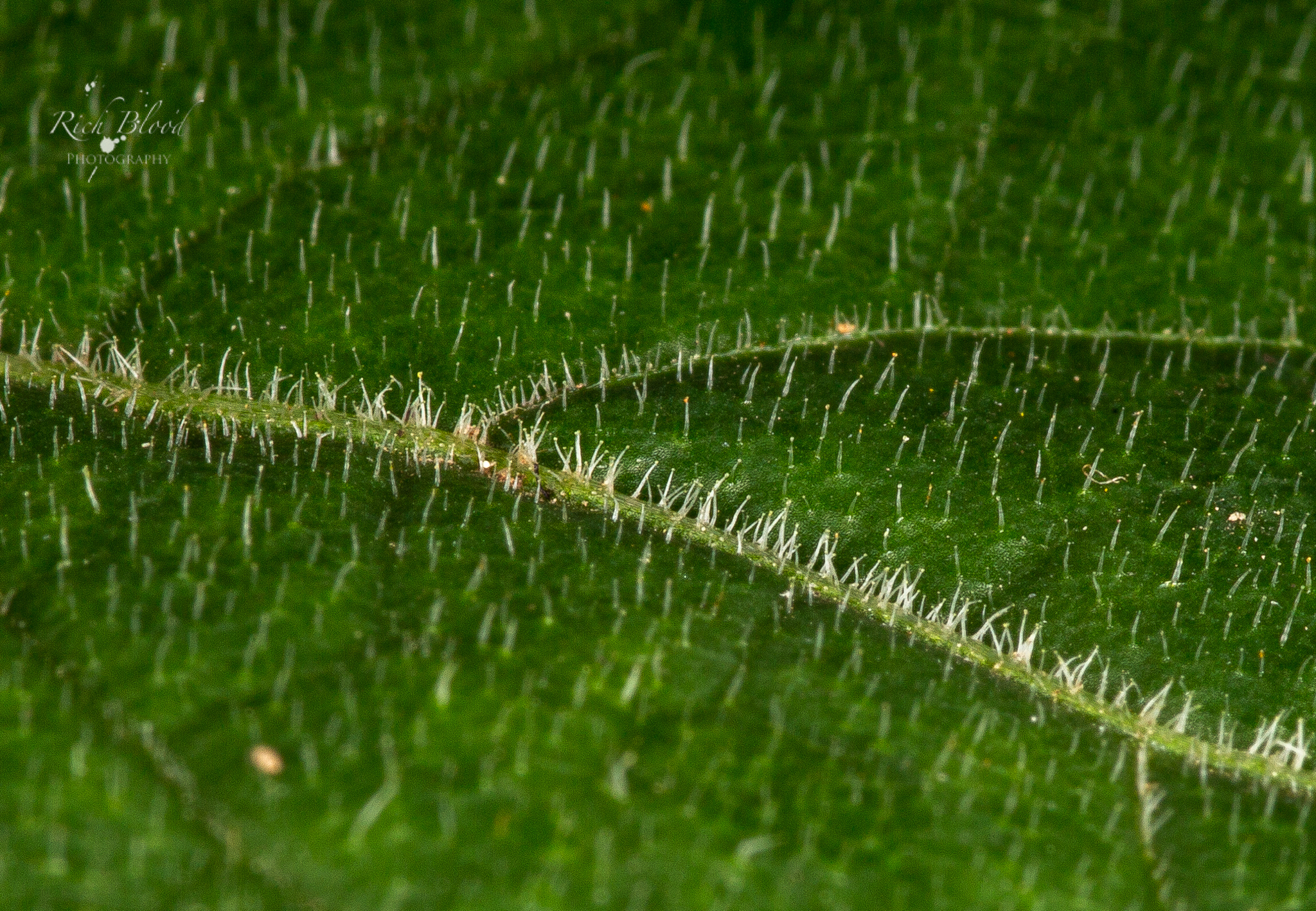
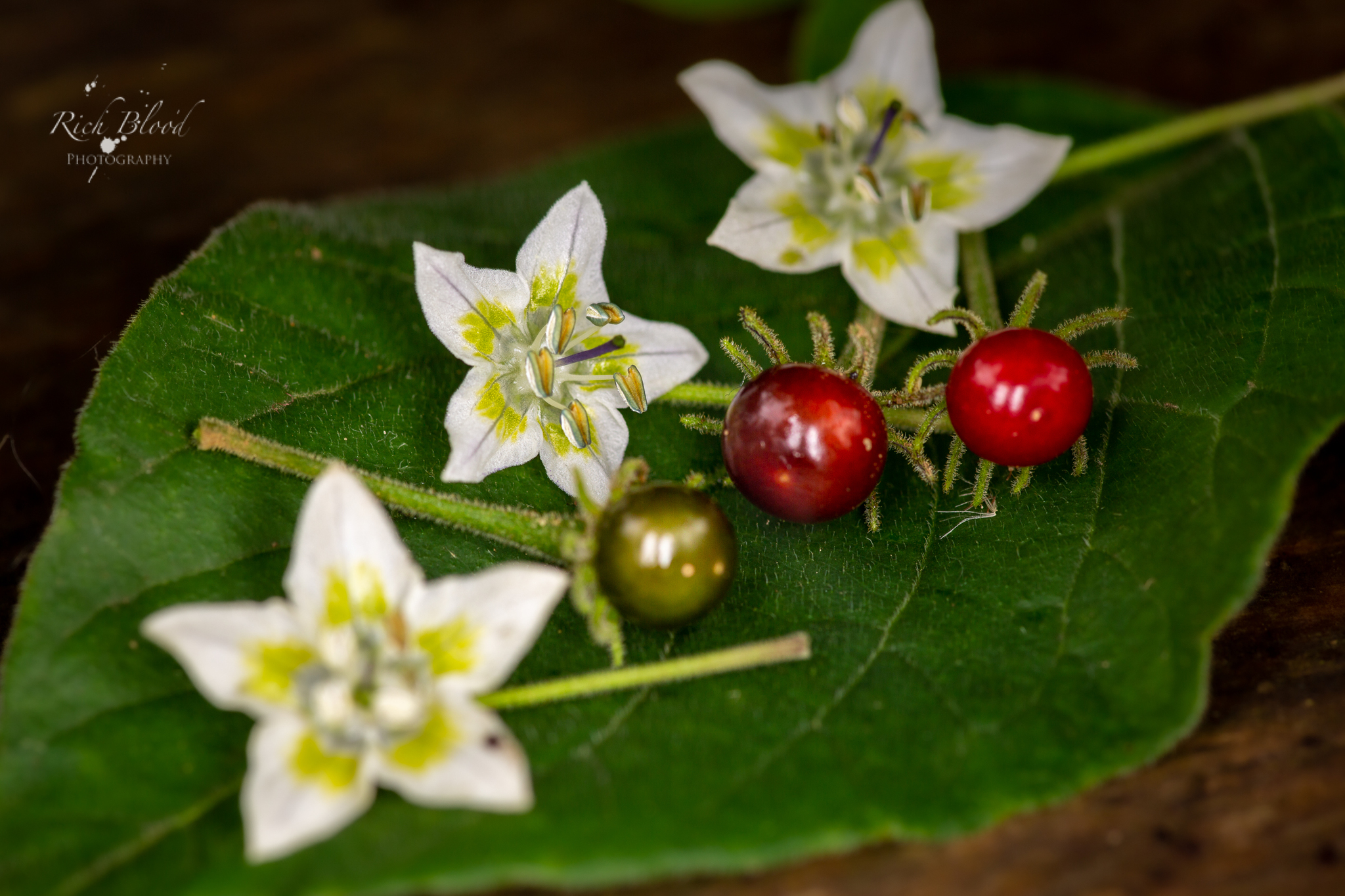
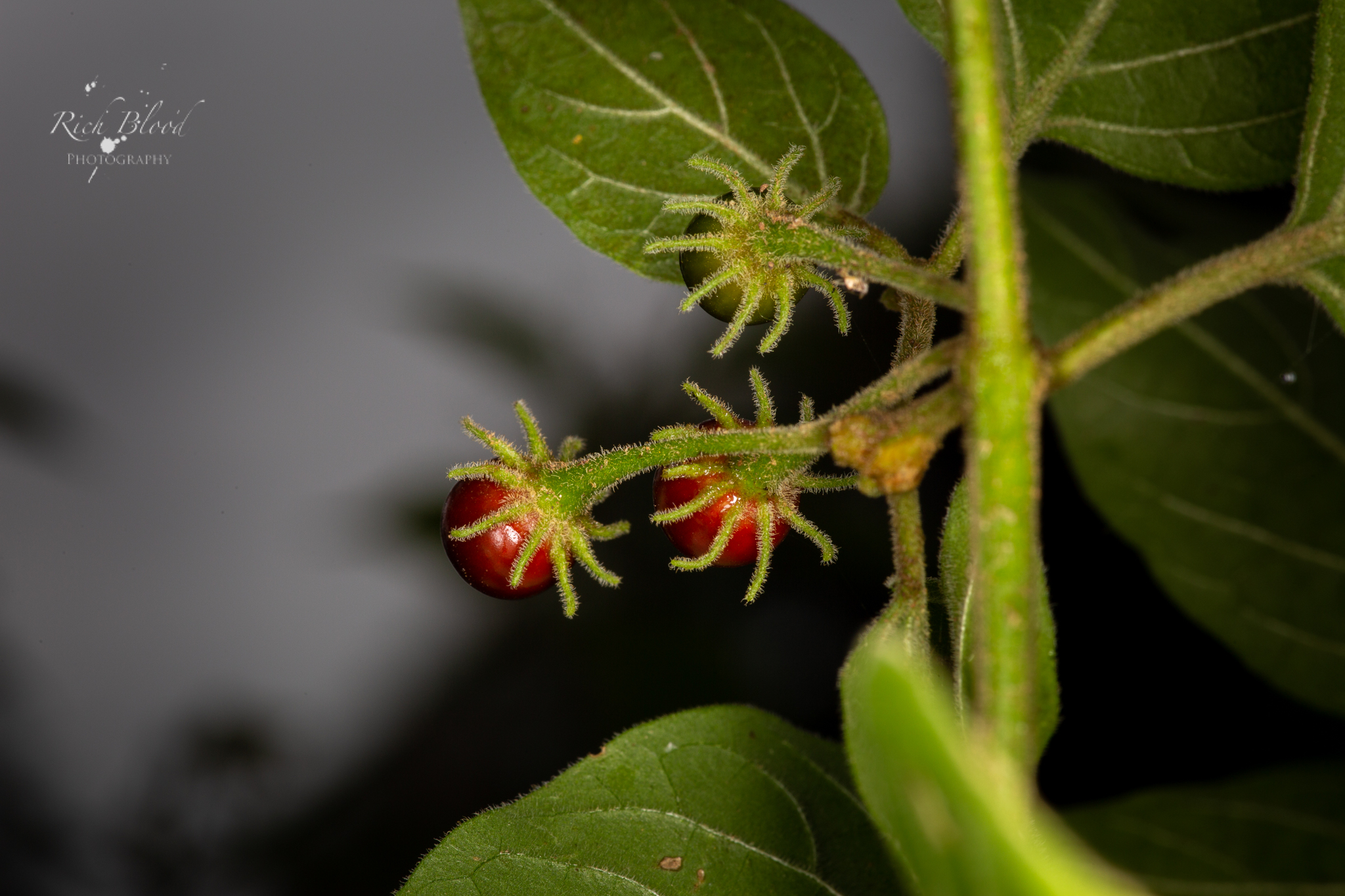
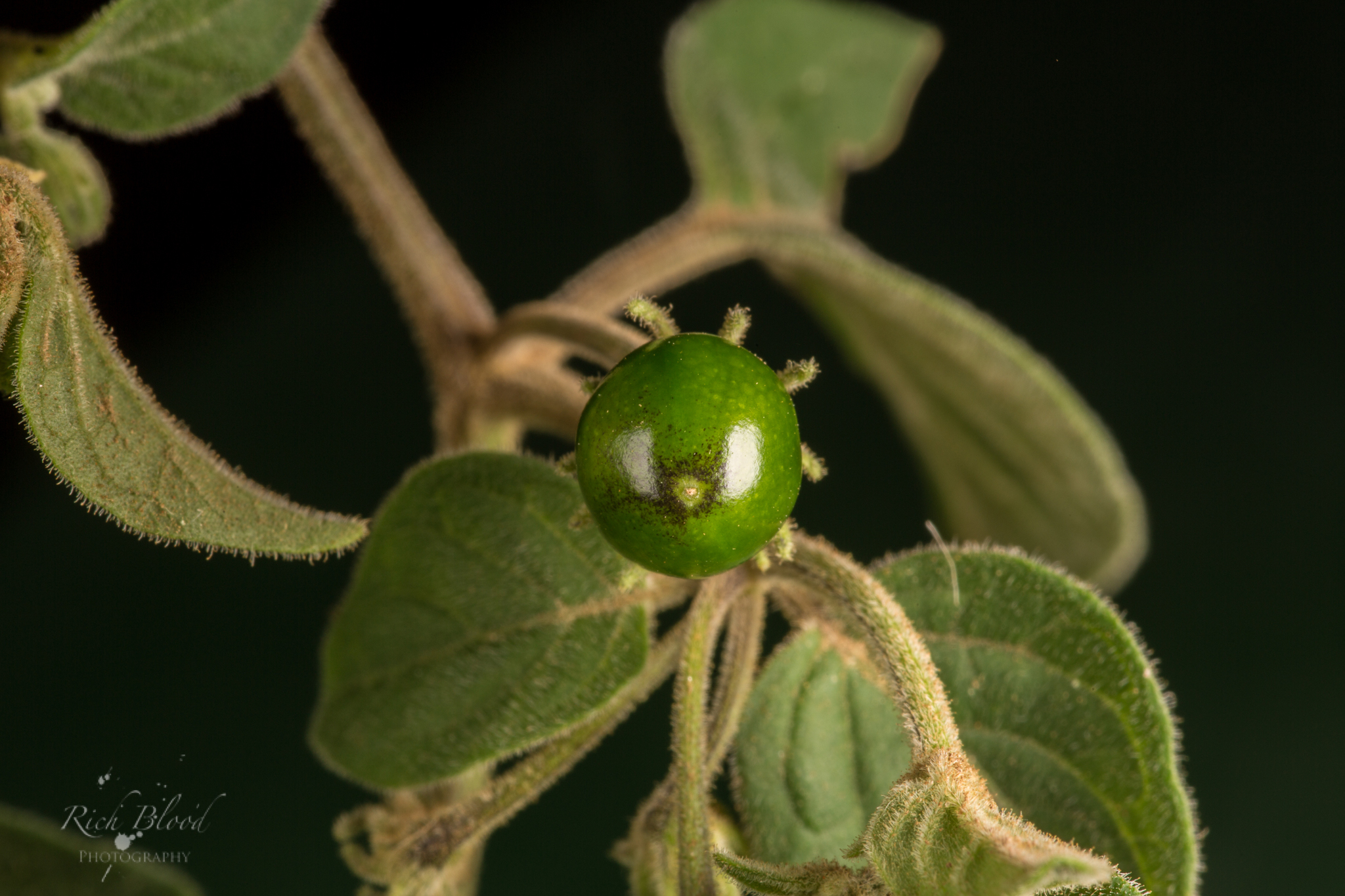
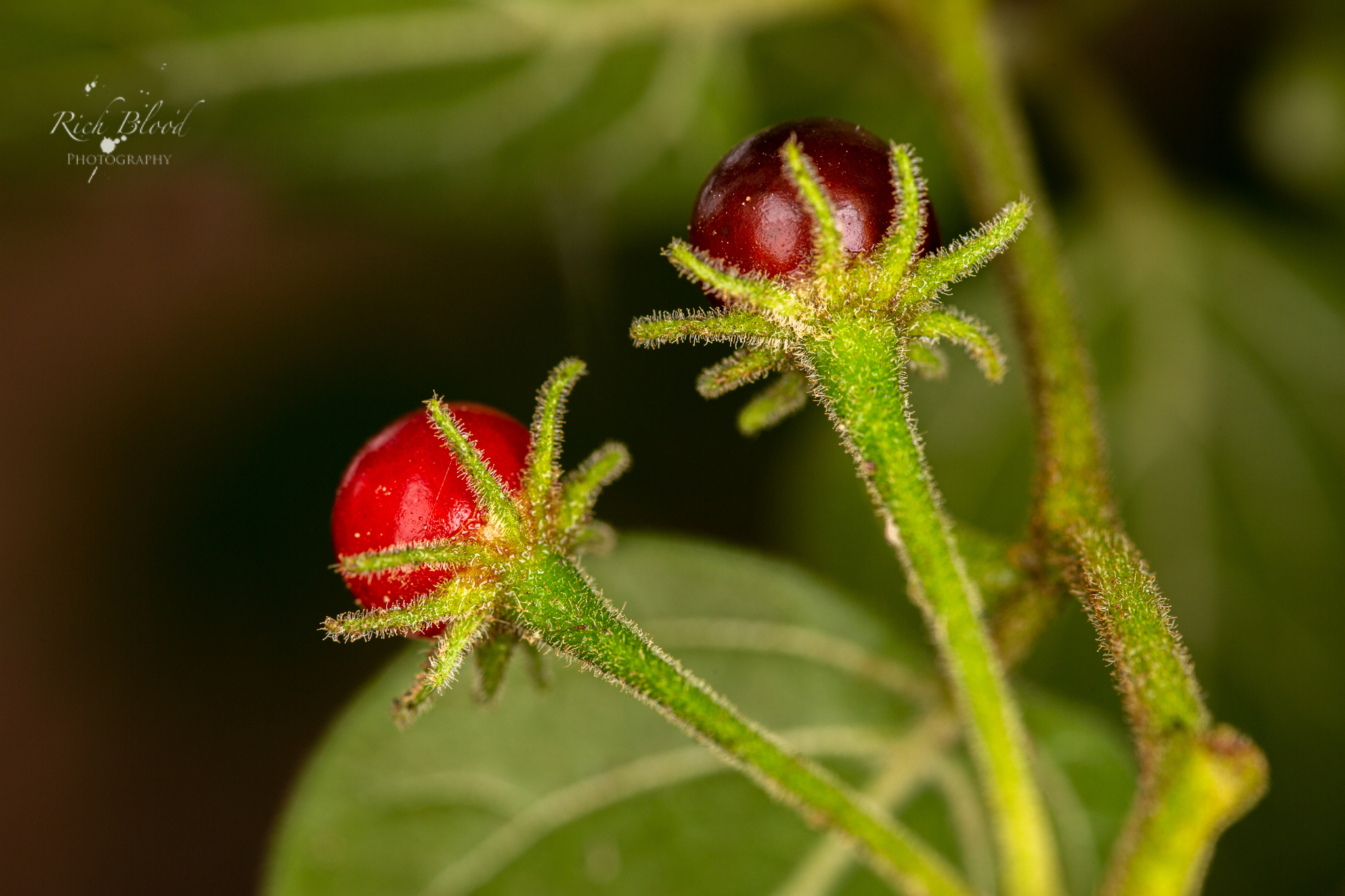
One of its strongest visual traits is its dense covering of glandular hairs. The stems, leaves, pedicels, and calyx are all densely pubescent, giving the plant a textured, soft-looking, almost sticky appearance. This is one of the main reasons it stands apart from related species. Even before you start comparing technical features, the plant already looks different.
The leaves are ovate and variable in size, often with a muted look rather than a glossy lush one. The flowers are usually white and star-shaped with yellow to greenish-yellow colour in the throat, and in some cases faint purple shading. They can appear in multiples at a node and may be erect or pendulous.
Then there is the calyx, which is one of the easiest clues for recognising the species. Rather than the simpler five-toothed look expected in some relatives, Capsicum eshbaughii often carries around ten narrow appendages, sometimes fewer and sometimes more. That gives the flowers and fruits a slightly spidery look that makes the plant feel even stranger and more distinctive.
Fruit and flavour
The fruit is tiny, but it does not feel minor. The berries are round, erect, and only 5-6 millimetres across, beginning dark green before ripening to bright red. Against the muted foliage and pale hairs of the plant, the ripe fruit can look almost jewel-like.
For something so small, the berries carry a strong personality. They are pungent, and not in a timid way. Like other ulupicas, they have proper bite. But heat is only part of what makes them memorable.
One of the most striking descriptions linked to this species says the fruit tastes of jungle perfume. That phrase stays with people because it suggests something more than just spice. It gives the pepper a wild aromatic identity, something vivid and strange and hard to reduce to a simple heat level.
Culinary significance
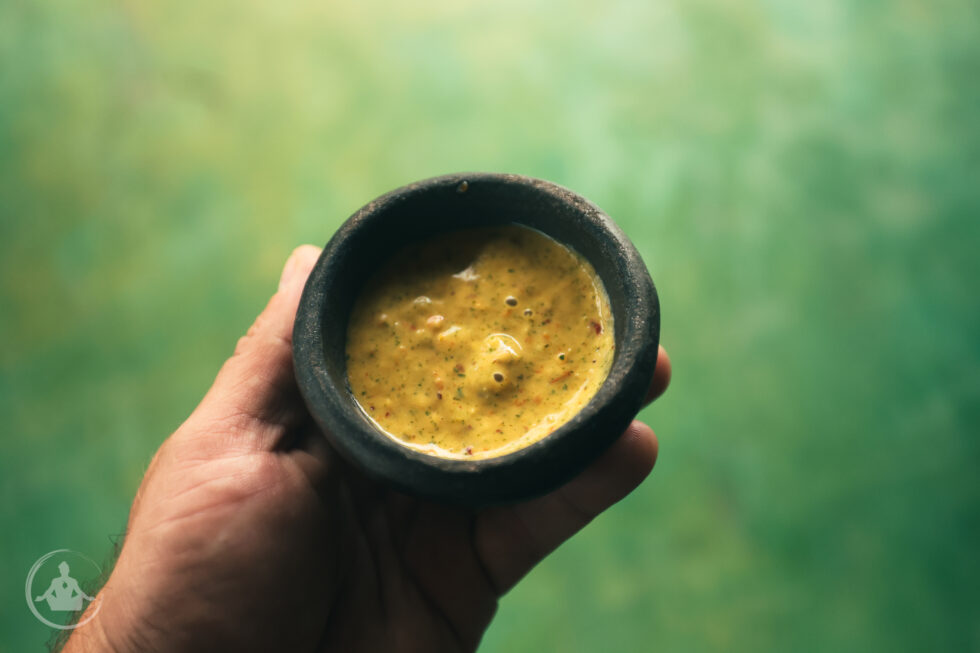
What makes Capsicum eshbaughii especially interesting is that it is not just a botanical subject. It is part of local food culture. In Bolivia, ulupicas are used in llajua, the traditional salsa that remains central to many meals. That gives this species a life beyond taxonomy and specimen records.
This is where the story gets even better. To outsiders, finding the species in the wild can sound like rediscovering something obscure or nearly forgotten. But locals already knew it. They were already picking it, eating it, and using it. That contrast gives the species depth. It is rare in one sense, but familiar in another.
Pepper Guru's documentation helps reinforce that point well. Rather than presenting the plant only as a curiosity for collectors, Rich Blood helped show it as something rooted in the actual life of the region, where people know the pepper and where it still has a place at the table.
Field documentation and visibility
A species like this can sit in academic literature for years without many people really connecting to it. That is why field documentation matters. Rich Blood of Pepper Guru has helped bring wider attention to Capsicum eshbaughii by showing it in habitat and talking about it in a way that makes people actually want to learn more.
That contribution works because it bridges two different worlds. On one side there is formal taxonomy, type material, descriptions, and revisions. On the other there are real plants beside roads, flowers in the wind, tiny berries on messy shrubs, and a specific Bolivian landscape that gives all of it meaning. His work helps those two sides meet.
He did not create the species' importance, but he absolutely helped more people see it. For a little-known wild pepper, that kind of visibility matters a lot.
Conservation
The most compelling part of the story may also be the most uneasy one. Capsicum eshbaughii occupies a very restricted range, which means ordinary human changes to the landscape can hit it hard. Farming, road expansion, tourism, and development all place pressure on the same valley system that this species depends on.
There is a real tension in that. The same region that supports this pepper is also useful, attractive, and economically valuable to people. That makes the story more complicated than simple decline. It becomes a story about overlap, where biodiversity and human activity are pressed into the same narrow space.
That is what gives the species its lingering power. It is not just visually distinctive or botanically unusual. It feels fragile in a very particular way. It belongs closely to one place, and whenever a plant belongs that closely to one place, its future can never be taken for granted.
Why it stays with people
In a genus packed with cultivated icons, giant pods, and modern superhot hype, Capsicum eshbaughii stands apart in a quieter way. It is a small wild pepper from a narrow Bolivian landscape, but the deeper you look, the larger it feels.
Its tangled habit, soft hairy surfaces, pale flowers, unusual calyx, vivid berries, local culinary role, and uncertain future all pull in the same direction. It does not feel like just another species entry. It feels like a living fragment of place. That is what makes it so easy to get drawn into.